



Dementia is a general term for loss of memory, language, problem-solving and other thinking abilities that are severe enough to interfere with daily life activities. Alzheimer’s is the most common cause of dementia.
Optometry’s role in dementia may expand in the future as some research indicates that amyloid plaques accumulate in the eye 10 to 20 years before Alzheimer’s Disease is diagnosed. Dementia patients may not be aware they have poor vision, so confirming their history with a relative or caregiver is important.
Dealing with dementia patients
Poor vision can exacerbate and aggravate behavioral problems in dementia, making patients more confused, uncertain, and bewildered, so it is really important to ensure their senses are in good working order. The condition presents unique problems for healthcare practitioners providing consultations and treatment for these patients. Impaired vision can also increase fall risk. Referral for early cataract removal is another way optometrists can help dementia patients.
Good sight may help slow the progression of dementia, the condition will only get worse and won’t be easier to undergo surgery. Many people with severe cases of dementia might have to go through cataract surgery. Surgical intervention in mild to moderate dementia is important while the patient can give informed consent. In addition, many are aware that something is going on in the early stages of dementia but are in denial because they are aware of the implications. Posture and behaviours also provide hints about eyesight.
Importance of eye care for people with dementia
The prevalence of visual impairment is higher among people with dementia compared to the overall population. Highlighting the importance of tests in this group of people is important since doctors found that visual impairment is more common in people with dementia who are living in care homes in comparison to those at home.
It is vitally important that people affected by dementia get access to good eye care. This notion helps to address the vast misconception that it is difficult or impossible for people living with dementia to get an eye test. It is not only possible but hugely important.

We need to make sure that both eye professionals and people affected by dementia understand the pertinence of accessing eye care, and how correcting vision impairments can make a significant difference to the lives of people living with dementia.
Wearing the type of glasses you need makes sure your sight is as good as it can be. Blurred vision may also worsen any symptoms of dementia and may increase a sense of isolation and confusion.
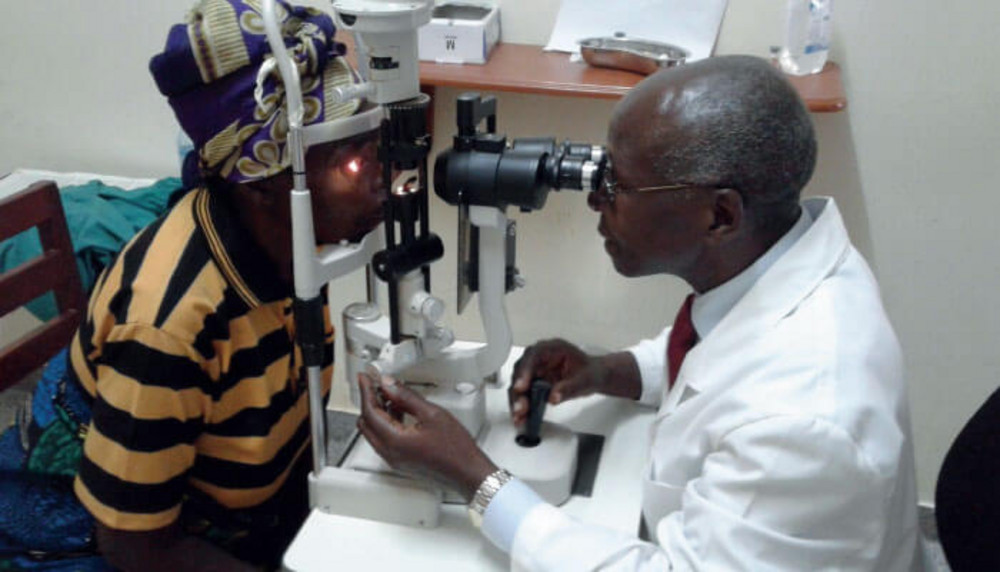
It is imperative to have an eye examination if you have dementia. Your optometrist should be able to adjust the eye examination to meet your needs, accurately measure your vision, and prescribe and update any glasses or medication you may need. An eye examination will also detect eye conditions such as cataracts or glaucoma, and it is an important first step in treating these conditions and avoiding sight loss.

Lorem ipsum dolor sit amet, consectetur adipisicing elit. Laudantium eius, sunt porro corporis maiores ea, voluptatibus omnis maxime
Sed maximus imperdiet ipsum, id scelerisque nisi tincidunt vitae. In lobortis neque nec dolor vehicula, eget vulputate ligula lobortis.
Vivamus gravida felis et nibh tristique viverra. Sed vel tortor id ex accumsan lacinia. Interdum et malesuada fames ac ante ipsum primis in faucibus.